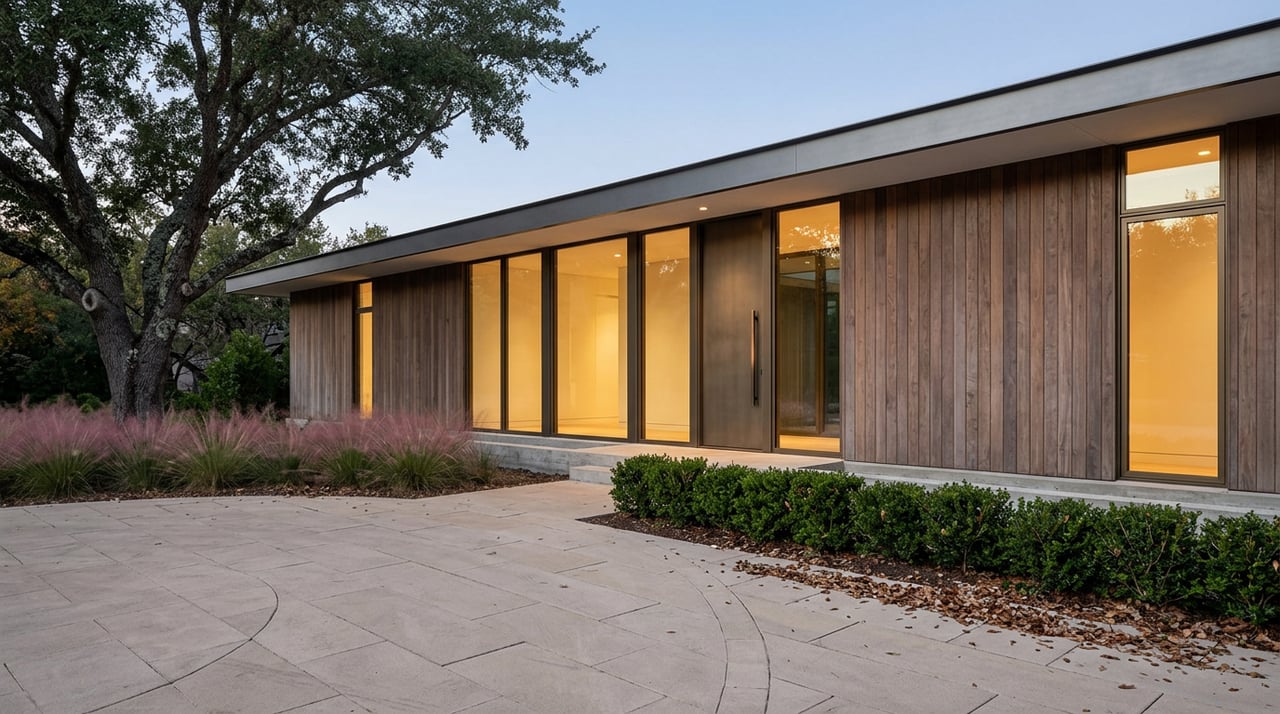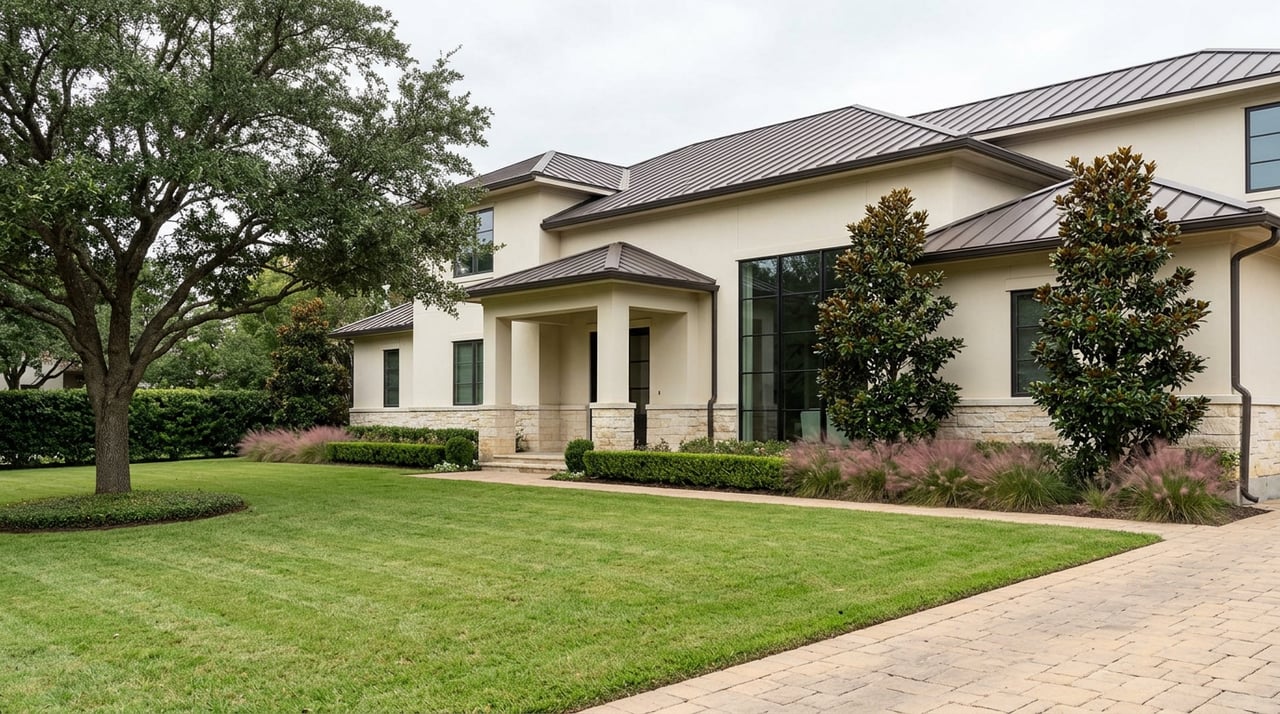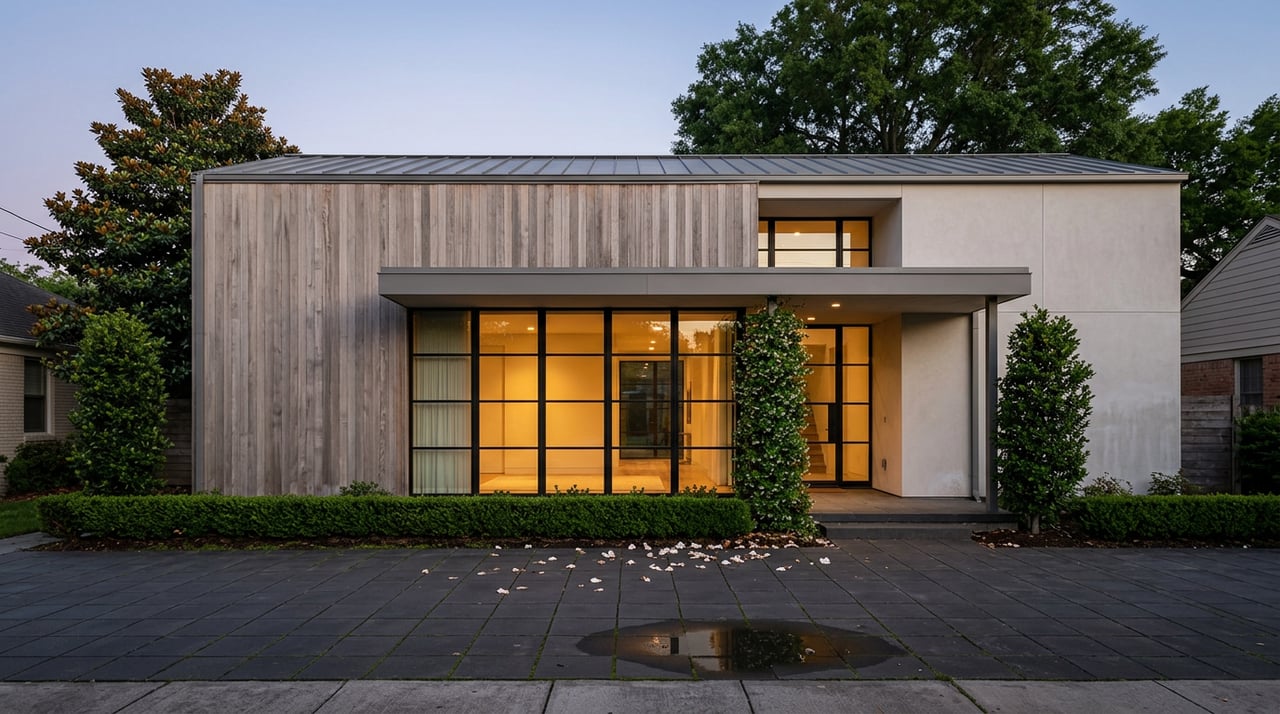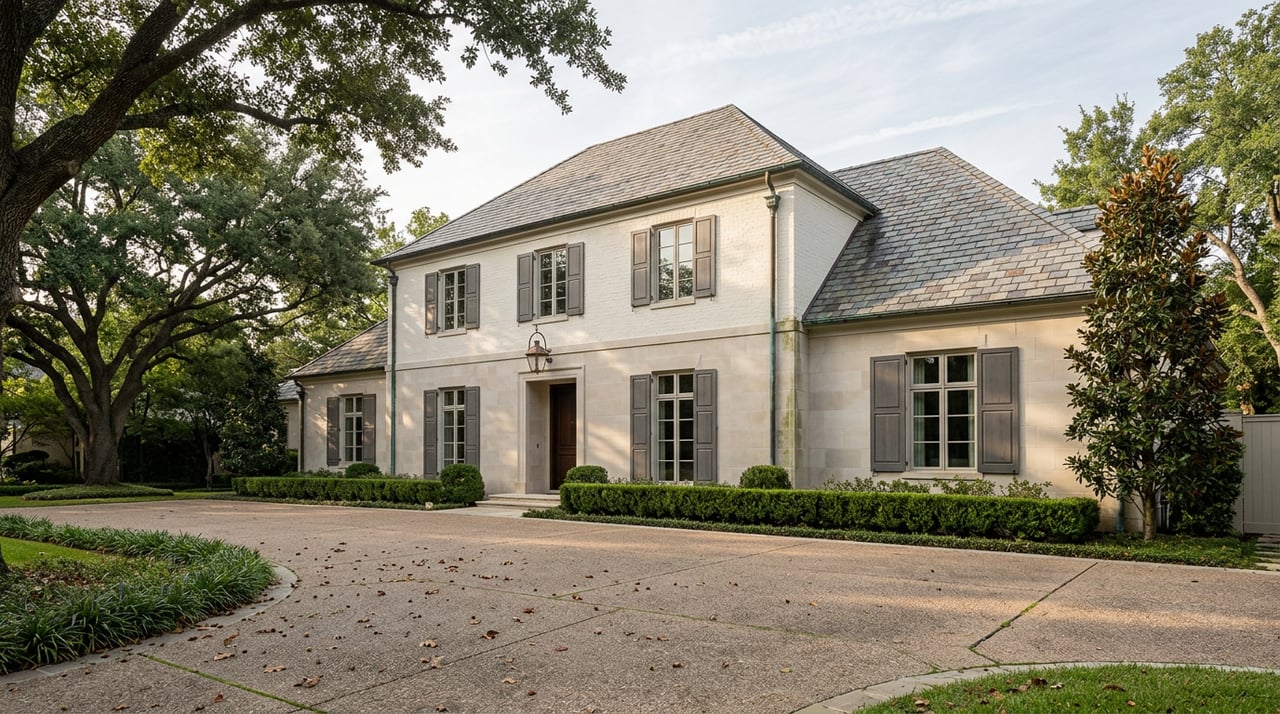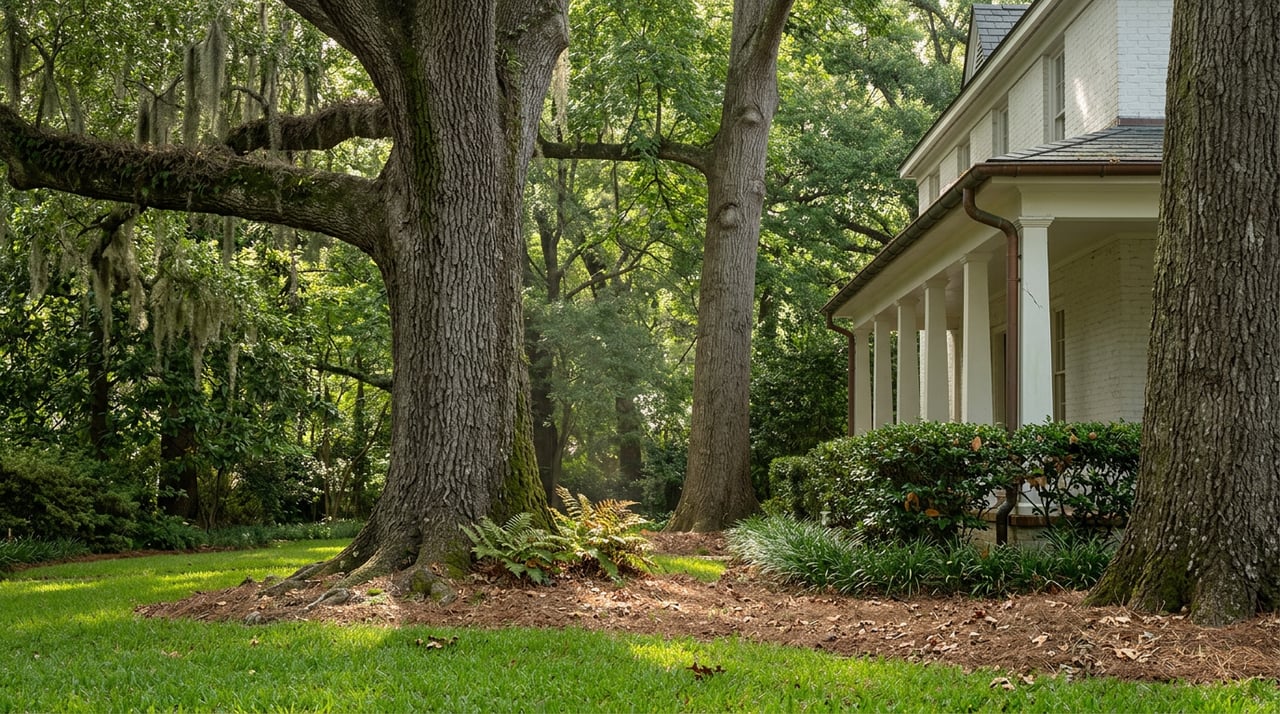
Say you're under contract on an older ranch home in Hunters Creek Village, the kind of half-acre lot with a 1960s footprint that everyone in the Memorial Villages buys for the land rather than the house. The seller mentions, almost in passing, that they pulled a tree-removal permit two years ago for an addition they never built. You close anyway. It's just a permit, and it expired, and it's not your problem.
Except in Hunters Creek, it might be. The city's tree ordinance treats a granted removal permit as a formal admission that the site can accommodate the described improvement without removing any more protected trees, and that restriction runs with the property for five years, binding not just the original owner but, in the ordinance's own language, any "successor in title." If the previous owner's unbuilt addition already used up the site's tree-removal allowance, your rebuild inherits the constraint the day you sign.
The clause that turns a permit into a promise
Hunters Creek Village's tree ordinance, codified in Chapter 18 of the city's code and current through an October 2025 update on file with Municode, requires a permit before removing or seriously damaging any protected tree. That part is standard for the Memorial Villages. What isn't standard is what happens after the permit is used: the ordinance treats the act of filing for removal as proof that a reasonable improvement can be built on the site without touching additional protected trees, and if the applicant (or a buyer who takes title afterward) decides to build something different, the new design has to fit inside the footprint already cleared. No more permits for that purpose for five years.
The logic is defensible on its own terms. The city doesn't want speculative removal requests clearing lots ahead of a design that might change. But for a buyer evaluating a knockdown lot, it means the seller's permit history is now part of your due diligence, not a footnote. You can find Hunters Creek's tree ordinance text through Municode and check the parcel's permit file before you finalize a house design that assumes a clear lot.
Four cities, four rulebooks
The Memorial Villages market as a single lifestyle brand, but Bunker Hill, Piney Point, Hunters Creek, Hedwig, Spring Valley, and Hilshire are six separate municipalities, each running its own building department and its own tree ordinance. The differences that matter most to a rebuild show up long before the framing crew arrives.
| Village | Who has to sign off | What triggers a permit | What it costs before you break ground |
|---|---|---|---|
| Piney Point Village | A certified forester and the city's Urban Forester | Tree survey required for any tree 3 inches DBH or greater as part of a formal Tree Disposition Plan | Forester survey fee plus city review; tree protection fencing with signage required in the field |
| Hedwig Village | A degreed forester on the city's approved list | Tree Disposition Plan required for new residential construction | $1,000 upfront multi-department review fee, plus a $2,500 fee due at submittal |
| Bunker Hill Village | City building official | New construction site plans must meet a minimum-trees-per-square-foot standard | An Offsite Tree Replacement Program is available for meeting replacement obligations, plus a requirement that dead-tree stumps be cut to 6 inches or less |
| Hunters Creek Village | City building official, tied to the urban forester provisions | Protected-tree removal linked to a specific described improvement | No direct fee, but a five-year restriction on further removal if the described improvement isn't built |
Piney Point's process is documented in detail in the city's own Tree Criteria Manual, which spells out exactly how tight the scrutiny gets. Hedwig's fee structure and forester requirement appear in the city's new-construction submittal checklist. Bunker Hill's replacement program and stump rules are listed on the city's adopted ordinances page.
What a forester actually checks
Piney Point's manual gives a concrete example of how the math works: a 20-inch diameter tree carries a 20-foot Critical Root Zone, the radius around the trunk where construction activity is restricted to protect the root system. Every tree slated for removal gets tagged with orange tape, every tree to be protected gets green tape, and both have to match numbers on a certified survey before a permit is issued. Protection fencing has to stay up for the duration of construction, with a required warning sign that spells out a fine of up to $500 for anyone who removes it. The city's Tree Disposition Plan form even lists a direct line to the city's Urban Forester, Cary Moran, for questions during the process.
Hedwig runs a parallel but distinct track. Its new-construction checklist requires the same kind of forester-prepared survey, but bundles it into a fee schedule that starts at $1,000 for the initial multi-department review and adds another $2,500 once the full plan set is submitted, on top of separate trade permits for building, electrical, mechanical, and plumbing work. None of that is a tree fee specifically, but the tree survey is a line item inside a review process that costs real money before a shovel touches the ground.
Why this matters more here than almost anywhere else in Houston
Most of the housing stock across the six villages dates from the 1950s through the 1990s, and a meaningful share of transactions are effectively land purchases where the existing house is a placeholder rather than the asset. That pattern is exactly why tree ordinance mechanics carry more weight here than in a typical Houston neighborhood governed by the city's own tree and shrub rules, which mainly set planting minimums rather than survey-and-permit gauntlets for removal. Once you're outside Houston's boundary and inside one of the six villages, the ordinance that governs your lot depends entirely on which side of the street you're on, because village boundaries don't always follow obvious lines.
A buyer comparing two lots at similar price points in, say, Piney Point and Bunker Hill isn't just comparing square footage and setback. They're comparing a forester-and-signage-heavy process against a replacement-ratio process, and the design freedom and pre-construction budget look different in each.
Four questions worth asking before you write an offer on a teardown lot
- Which city actually has jurisdiction? Confirm the parcel sits inside the village boundary you assume it does. The six cities are small enough that a street can mark the line.
- Has a tree-removal permit already been filed on this address? In Hunters Creek especially, an unused permit from a prior owner's abandoned project can restrict what you're allowed to clear, because the restriction attaches to the title, not the person who applied.
- What does a forester's survey cost in this specific village, and who's on the approved list? Piney Point and Hedwig both require a certified or degreed forester, and getting that survey early tells you what your house footprint can actually accommodate before you finalize a design.
- What are the review fees on top of standard building permits? Hedwig's $1,000 and $2,500 fees are separate from the trade permits you'd expect anyway. Budgeting for tree review as its own line item avoids a surprise at submittal.
FAQ
Does the City of Houston's tree ordinance apply anywhere in the Memorial Villages? No. All six villages are independent municipalities with their own governments, building departments, and ordinances, separate from Houston's own tree and shrub ordinance, which applies only inside Houston's city limits.
If I buy a lot with an existing tree-removal permit on file, does that permit transfer to me? In Hunters Creek Village, the ordinance explicitly extends its five-year restriction to a "successor in title," meaning the constraint can pass to a new owner. Whether a similar transfer provision exists in the other five villages depends on that city's specific ordinance language, which is worth confirming with the relevant building department before closing.
How early should I bring in a forester? Before finalizing a house design, not after. In Piney Point and Hedwig, the forester's survey determines which trees the site plan has to work around, and redesigning a footprint after a survey comes back can cost more time than ordering the survey up front.
A tree ordinance sounds like a landscaping detail until it's the reason a rebuild timeline slips six months or a design has to shift ten feet to the left. If you're evaluating a lot in any of the six Memorial Villages and want a clearer read on what a specific address will actually let you build, Ferguson Real Estate Consulting can help you sort the boundary lines, the permit history, and the real cost of getting from purchase to permit. Get in touch before you write the offer, not after.